RE-DIRECTING: EAST Conversations | Amirali Ghassemi “Iran. Making Space for New Media”

RE-DIRECTING: EAST
Con­ver­sa­tion # 19
Amir­ali Ghassemi “Iran. Mak­ing Space for New Media”

June 25, 2014, 6 p.m., CCA Labor­at­ory Build­ing 
The present­a­tion is held in English.

Amir­ali Ghassemi
“Iran. Mak­ing Space for New Media”
The Tehran of the nine­teen nineties was not really acquain­ted with new media; the hand­ful of gal­ler­ies pre­ferred to stick with the norms and ded­ic­ate them­selves to show­ing paint­ing, sculp­ture and, much more rarely, pho­to­graphy. Using images, posters and video extracts, the present­a­tion sets out to shed some light on the pro­gress of new media art in Iran.
The talk begins with the belated emer­gence of media art toward the end of the last dec­ade of twen­ti­eth cen­tury and looks at the reas­on why it blos­somed in the early two thou­sands before lan­guish­ing, for­got­ten, for sev­er­al years. The forces behind its recent power­ful and inde­pend­ent comeback are then addressed. In the absence of fund­ing from either the gov­ern­ment or abroad, the devel­op­ment of the new media art scene has only been pos­sible thanks to col­lect­ive efforts and organ­ic self-organ­isa­tion. The present­a­tion takes video art in Iran and the way it has forged its own way ahead over the past four­teen years as a case study.
Tehran’s new media scene is expand­ing into oth­er cit­ies, such as Isfa­han, San­andaj and Mashahad. At the same time, a few inde­pend­ent ini­ti­at­ives are try to push the back the bound­ar­ies in order to open up the space to more inter­dis­cip­lin­ary prac­tices by organ­ising exhib­i­tions and run­ning fest­ivals geared toward video art, sound and inter­act­ive pro­jects and digit­al art, as well as hold­ing reg­u­lar audi­ovisu­al per­form­ance events.

Amir­ali Ghasemi is a Tehran-born artist, graph­ic design­er and cur­at­or who cur­rently lives and works on the move. He gradu­ated with a BA in graph­ic design from Cent­ral Tehran Azad Uni­ver­sity in 2004, his emphas­is hav­ing been on research into digit­al art his­tory. In 1998, he foun­ded Parkin­gal­lery, an inde­pend­ent pro­ject space in Tehran and then built on this by set­ting up Parkingallery.com, an online plat­form for young Ira­ni­an artists, in 2002. His pho­to­graphy, videos and designs have been shown at a range of inter­na­tion­al fest­ivals and exhib­i­tions, win­ning him awards and recog­ni­tion. As a cur­at­or, he has dir­ec­ted a host of exhib­i­tions, work­shops and talks for Parkingallery’s pro­jects. He co-cur­ated “Urb­an Jeal­ousy”, the 1st Inter­na­tion­al Roam­ing Bien­ni­al of Tehran (2008-2009) and four edi­tions of the Lim­ited Access Fest­iv­al for Video and Per­form­ance (2007-2013). This was fol­lowed by his involve­ment in myri­ad pro­jects for insti­tu­tions, pro­ject spaces and uni­ver­sit­ies in Ger­many, the Neth­er­lands, Ser­bia, Great Bri­tain, Egypt, Tur­key, the United States, Brazil, Canada, France, Sweden, Bel­gi­um, China and India. Ghasemi has been a guest lec­turer at the Ber­lin Uni­ver­sity of the Arts, the Uni­ver­sity Col­lege of Arts, Crafts and Design in Stock­holm, the Malmo Academy of Arts, Ohio State Uni­ver­sity, the Delfina Found­a­tion in Lon­don and the ICI in New York. He was selec­ted as the guest cur­at­or for the CCBRUGGE in 2010 and Devi Art Found­a­tion, India in 2012. Along with his inde­pend­ently cur­ated pro­grammes, such as The Invis­ible Present, (Brazil, USA) and Part of me ( France- Tehran), he served as a guest organ­iser, pro­gram­ming the video art sec­tion for the Rot­ter­dam Film Fest­iv­al and Göte­borg Inter­na­tion­al Film Fest­iv­al in Janu­ary and Feb­ru­ary 2013.
Ghasemi works with pho­to­graphy, video, install­a­tion and inter­act­ive pro­jects, as well as writ­ing about the loc­al arts scene and con­tem­por­ary Ira­ni­an art for a num­ber of magazines and on his own blog. He has a long-term cur­at­ori­al pro­ject, IRAN&CO, which con­sists of an ongo­ing exhib­i­tion and an archive devoted to the rep­res­ent­a­tion of Ira­ni­an art bey­ond the country’s borders.

Three Minutes of Headless Life at Azad Art Gallery – Tehran

tara-ahmadi

The great news is Tara Ahmadi is in town, for those in Tehran don’t miss her show at Azad Gal­lery, open­ing Today.
Three Minutes of Head­less Life | June 20-25, 2014  | 4-8pm

Three Minutes of Head­less Life is a video screen­ing, which is com­prised of three pieces with con­cerns about culin­ary con­sump­tion of the cul­tur­al products. Pro­duct­ive Frus­tra­tion III, Gut The­ory and Meas­ur­ing the Level of Res­ist­ance all focus on the moment that art morphs into digest­ible com­mod­it­ies for the soci­ety of spec­tacle. The Lebanese-Cana­dian artist, Jayce Sal­loum, addresses the artist’s every­day struggle with such exas­per­at­ing ten­sion as a “pro­duct­ive frus­tra­tion”. Com­bin­ing dif­fer­ent medi­ums such as stop-motion anim­a­tion, 16mm film, HD video, still image and voi­ceover, Three Minutes of Head­less Life hinges upon the ups and downs of remain­ing pro­duct­ive in a frus­trat­ing cul­tur­al moment. The title is also an homage to the stand­ard length of the soon-to-be-out-of-mar­ket 16mm film roll, which is three minutes.

Tara Najd Ahmadi

Videos:
Pro­duct­ive Frus­tra­tion III-2012: 3 min

Meas­ur­ing the Level of Res­ist­ance-2011: 4 min

Gut The­ory-2011: 5 min

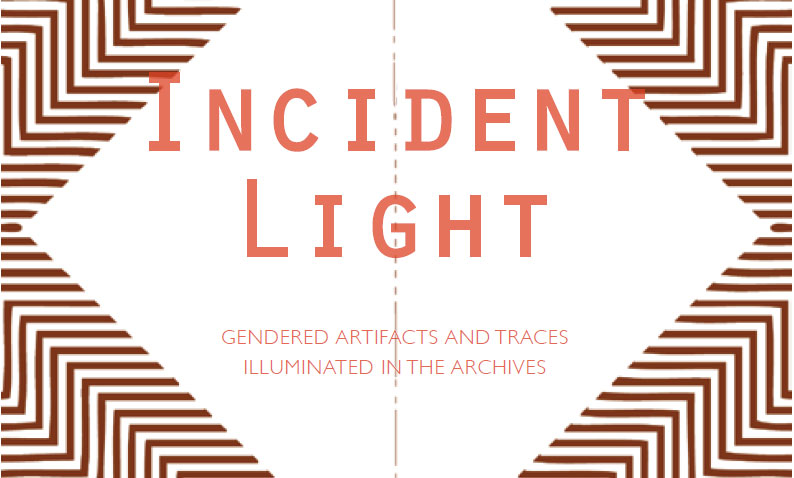
Incident Light at Blackwood Gallery, Mississauga

Tara.Hannah.jpg
Tara Najd Ahmadi & Han­nah Dar­abi, Stu­dio DCI – attempt 1, 2014 Lam­in­ated black and white photo 8 x 12 inches. Cour­tesy of the artists.

Incid­ent Light:
Gendered Arti­facts and Traces Illu­min­ated in the Archives
Cur­ated by Leila Pour­tavaf
Tara Najd Ahmadi & Han­nah Dar­abi*, Ala Dehghan* Maryam Jafri, Jumana Manna, Nahed Man­sour, The Oto­lith Group & Tejal Shah
May 25 – July 27, 2014

*works com­mis­sioned by Azar Mah­moud­i­an in col­lab­or­a­tion with the curator

Open­ing Recep­tion
Sunday, May 25, 3 – 6pm
A FREE shuttle bus will depart from Hart House (7 Hart House Circle, Uni­ver­sity of Toronto) at 3pm,  return­ing for 6pm.
Join us at 4pm for a tour of the exhib­i­tion with cur­at­ors Leila Pour­tavaf, Azar Mah­moud­i­an, and artistNahed Man­sour

I’ve Heard Stor­ies
A Film pro­gram cur­ated by Azar Mah­moud­i­an
Wed­nes­day, May 28, 7 – 9pm
City of Toronto Archives, 255 Spad­ina Road, Toronto
FREE and open to the pub­lic
I’ve Heard Stor­ies presents five inter­na­tion­al short films, each explor­ing the inter­sec­tion of art and doc­u­ment­ary practices:

I’ve Heard Stor­ies 1 by Mar­wa Arsanios (Leban­on, 2008)
Swede Home by Shir­in Sabahi (Iran/Sweden, 1966/1973/1975/2009)
Sans Titre (Untitled) by Neil Beloufa (Algeria/France, 2010)
Every­where Was the Same by Basma Al Sharif (United States, 2007)
Why Col­on­el Bunny Was Killed by Mir­anda Pen­nell (UK, 2010)

 Black­wood Gal­lery
Uni­ver­sity of Toronto Mis­sissauga 3359 Mis­sissauga Road Mis­sissauga, Ontario L5L 1C6, Canada
Tel: 905-828-3789 

For more inform­a­tion, please click here.
—————————————————-
Source: blackwoodgallery.ca

“سرزمین‌ها بیگانه نیستند، این مسافر است آنکه بیگانه است”

“سرزمین‌ها بیگانه نیستند، این مسافر است آنکه بیگانه است”
رابرت لویی استیونسن
payam-ila

ویدئو اینستالیشن تعاملی
کاری از ایلا فیروزآبادی و پیام مفیدی
بر اساس نوشته‌هایی‌ از الیاس علوی شاعر و نویسنده افغان

“سرزمین‌ها بیگانه نیستند، این مسافر است آنکه بیگانه است.”
رابرت لویی استیونسن

به گفته لئوناردو داوینچی “هنر هیچگاه پایان نمی‌یابد فقط به حال خود گذاشته می‌شود”.
البته لئوناردو به مفهوم هنر از منظر یک هنرمند می‌نگریست، و از آنجا قسمت دوم جمله خیلی نسبی است و جای بحث دارد.
تقریبا همه‌ی هنرمندان گاه و بیگاه ناچار می‌شوند کارشان را به حال خود واگذارند زیرا نمی‌توانند گام‌های بعدی را برای تکمیل کارشان در خیال مجسم کنند، و بنابراین می‌گوییم که کار را به حال خود رها می‌کنند.
ولی سوال اینجاست که : آیا هیچ اثر هنری می‌تواند به پایان برسد؟
آیا کمال، واقع‌بینانه است؟
حیات یک کار هنری، نه به دست_های هنرمند، که به نگاه بیننده بستگی دارد.
بیننده، در وهله‌ی نخست، خود هنرمند است که اولین بار مجذوب اثری می‌شود و به آن دل می‌سپارد، و از رهگذر تفسیر خود به اثر معنی و مفهوم می‌بخشد.
هنر فقط با حضور مخاطب زنده است و هر بار که یک زوج چشم آن را تماشا می‌کنند به اثر هنری حیات می‌بخشند.
ما دوست داریم منشا را جستجو کنیم ولی در هنر یک اثر پیوسته در حال دوباره زاده شدن است.
هنر نمی‌تواند پایان یابد، فقط می‌تواند وجود داشته باشد.
امانوئل کانت در استدلالش می‌گفت:
” اثر هنری
(ergon)
نمی‌تواند بدون خطوطی که از اطراف آن را احاطه و تعریف می‌کند
(parer­gon)

وجود داشته باشد”

بنابراین برای هرچیزی که وجود دارد باید حد و مرزی وجود داشته باشد تا بتوان در به روی توصیف و بررسی گشود.
دریدا، فیلسوف فرانسوی قرن بیستم، در رد استدلال کانت چنین دلیل می‌آورد که وقتی نوبت به نقاشی می‌رسد، قاب حالتی بینابینی پیدا می‌کند.
با این‌همه غالبا می‌بینیم که هنرمندان قاب را جزئی از اثر می‌شمارند و بدین‌گونه لبه‌ی خارجی کار که آن را از فضای بیرون جدا می‌کند محو می‌شود، زیرا حتی نقاشی قاب‌گرفته را باز هم قاب‌های دیگری مرکب از دیوارهای احاطه‌کننده‌ی آن، ساختمان محل نمایش اثر و مانند آن قاب می‌کنند.
هنرمندانی تعاملی این موضوع را به خوبی می‌دانند و از مخاطبان طلب می‌کنند که نقش فعالی در حیات اثر هنری ایفا کنند.
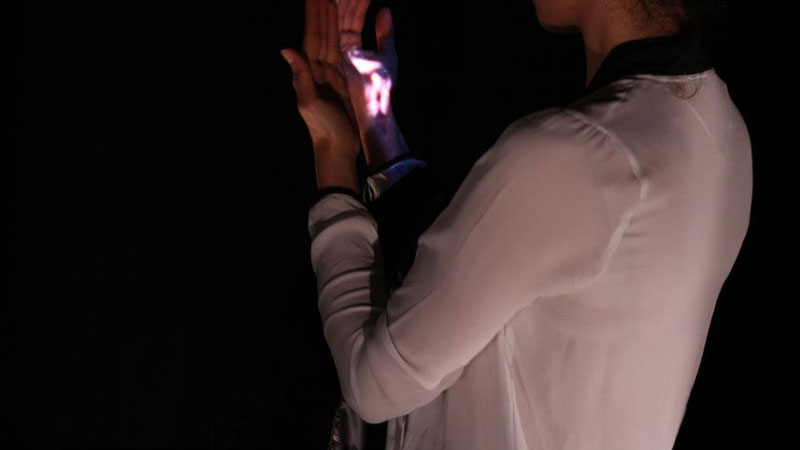
ایلا فیروزآبادی و پیام مفیدی در چیدمان‌شان، دقیقا همین کار را می‌کنند.
آنها بینندگان را بر آن می‌دارند که با دست‌های گشوده‌ای که به شیوه‌ای آیینی دراز کرده‌اند، تصویرها را جستجو کنند و بدین‌سان آنها را وارد اثر می‌کنند.
مخاطبان به اثر زندگی می‌بخشند و خود جزئی از اثر می‌شوند.
حد و مرز در این‌جا کاربردی ندارد. کناره‌ای و لبه‌ای در میان نیست، درست به همان شکل که در عمق حقیقت مرزی بین آدم‌ها، ملیت‌ها و کشور‌ها وجود ندارد.
چیدمان همه‌ی عناصر را در یک واقعیت ادغام می‌کند و یک هستی می‌آفریند.
اثر هنری یکی است و شما خود جزئی از آن هستید.
فضا برای حیات اثر ضروری است ولی شما را محدود نمی‌کند، زیرا تجربه‌تان را با خود می‌برید و از این رهگذر خودتان فراگیرتر می‌شوید.
اگر خود و هر کس دیگر را جزئی از یک جهان، یک کیهان یگانه بشمار آورید، دیگر چه دلیلی برای خصومت، تعصب و نفرت نسبت به همنوع‌تان می‌ماند؟
چه دلیلی دارد که درصدد آسیب زدن به کسی یا چیزی برآیید؟
اگر هستی را همچون هر احساس فراگیر تجربه کنید، پس باید اندکی هم که شده دلسوزی و غمخواری را بر خود روا دارید.
شما خود اثر هنری می‌شوید و پایانی ندارید.
مرگ در میان نیست.
آنچه هست، ولادت و بازهم ولادت است.
تنها برابری برای همگان می‌توان یافت.
هیچ‌چیز برایتان بیگانه نیست و هیچ سرزمینی راه را بر شما نمی‌بندد.
آیا زیبایی زندگی و آنچه هنر همواره در جستجوی نشان دادن آن بوده است همین نیست؟
تایماز والی
منتقد هنر
ترجمه: مصطفی مفیدی

موسیقی‌ : نیما علیزاده
بازیگران: نعیم جبلی | نغمه شریفی | سحر مفیدی | ماهره جلیل صدیقی
صدابردار : سام وفایی‌
فیلمبرداری: پیام مفیدی، پیروز نعمتی
با تشکر ویژه از همکاری البرز ارض پیما، پیروز نعمتی، نیما بالا زده، پریسا محیط، سارا ریحانی، علی پناهی

گشایش: 26 اردیبهشت 1393، ساعت 4 تا 9 شب
روزهای بازدید: 27 اردیبهشت تا 2 خرداد 1393
ساعات بازدید: 4 تا 8 شب
گالری پنج شنبه ها تعطیل است

“There are no foreign lands…” Darbast Platform – Mohsen Gallery

“There are no foreign lands. It is the traveler only who is foreign”*
Darbast Platform – Mohsen Gallery

payam-ila

Inter­act­ive Video Install­a­tion by Ila Firouza­badi & Payam Mofidi
Script by Ely­as Alavi, Afghan Poet & WriterOpen­ing: May 16, 2014 | 4:00 To 9:00 pm
The exhib­i­tion will be con­tin­ued up to May 23, 2014
Vis­it­ing Hours: 04:00 to 08:00 pm
Dar­bast Plat­form / Mohsen Gal­lery
Gal­lery is closed on Thursdays.

“There are no for­eign lands. It is the trav­el­er only who is foreign.”Robert Louis Steven­son, The Sil­verado Squat­ters 

Leonardo da Vinci wrote, “Art is nev­er fin­ished, only aban­doned.” Leonardo of course was con­tem­plat­ing the concept of art from an artist per­spect­ive, and thus the second part of the quote seems very apt and rel­at­ive. Artists vir­tu­ally every time are forced to aban­don their work because they can­not envis­age tak­ing any fur­ther steps to improve their work, and thus they are said to have left the work. Yet, one must ask: can an art­work ever be fin­ished? Is com­ple­tion real­ist­ic? Life of an art­work depends not on the hands of the artist, but on the gaze of the view­er. The view­er, which in the first instant is the artist, absorbs and engages with the piece, and through his or her inter­pret­a­tion gives sig­ni­fic­ance and mean­ing to the work. Art is alive only through the audi­ence, and every time new pair of eyes views it, they bring the art­work into present. We like to look for an ori­gin, but with art, a piece is in con­stant state of rebirth. Art can­not have a con­clu­sion, it can only have exist­ence. Emmanuel Kant argued that a “work (ergon)” can­not exist “without an out­line (parer­gon) for defin­i­tion”, thus there must be a lim­it to all that exist in order for it to open up for descrip­tion and exam­in­a­tion. The 20th cen­tury French philo­soph­er Der­rida, in con­tra­dic­tion to Kant, argued that frames fall into a “lim­in­al” space when it comes to a paint­ing. Yet, more often we see that the artists include the frame as part of the work, and thus there is no out­er edge divid­ing the work from out­side, because even the framed paint­ing is framed fur­ther by the walls sur­round­ing it, by the build­ing hous­ing and so on.

Inter­act­ive artists cer­tainly know of this con­di­tion, and they seek the audi­ence to play an act­ive role in the life of an art­work. Ila Firouza­badi and Payam Mofidi in their install­a­tion, do pre­cisely that. They include the view­ers, who seek the images by ritu­al­ist­ic­ally stretch­ing out their open hands. The audi­ence brings the piece into life, and they become part of the work. Lim­its no longer apply here. There are no edges, just like there are no divi­sions between people, nation­al­it­ies and coun­tries. The install­a­tion causes all ele­ments to merge into one, cre­at­ing one exist­ence. One work and you are included in it. The space is essen­tial for the life of the piece, how­ever it is not con­fin­ing you, because you shall take the exper­i­ence with you, and through it become more inclus­ive your­self. If you con­sider every­one as part of the same world and uni­verse, then what would be the reas­on for any anim­os­ity, pre­ju­dice and hatred for your fel­low man? Why would you seek to harm any­one or any­thing? If you exper­i­ence exist­ence as an all encom­passing feel­ing, then you must allow your­self to be fair and com­pas­sion­ate. You will become the art­work your­self, and there are no ends. Death can­not be found. Only con­stant rebirth. Only con­stant equal­ity for all shall be found. Noth­ing will be for­eign to you, and no land shall exclude you. Isn’t that the beauty of life, and that which art has always sought to show us?  Tay­maz Val­ley / Art Historian

Music: Nima Aliz­adh
Cast: Naim Jebelli | Nagh­meh Shari­fi | Sahar Mofidi | Mahereh Jalilsedighi
Sound: Sam Vafai
Cam­era: Payam Mofidi, Pirooz Nemati
Spe­cial Thanks to: Alborz Arzpeima, Pirooz Nemati, Nima Bal­aza­deh, Par­isa Mohit, Sara Rey­h­ani, Ali Panahi
* by Robert Louis Stevenson

Wolfgang Knapp (Berlin University of the Arts – UdK) – Lecture at Aaran Gallery

Art practice: self branding and experimental settings
Collaborations between artists and scientists

Lecture and presentation of projects by
Professor h.c. Wolfgang Knapp
Berlin University of the Arts (UdK)
Institute for Art in Context (post graduate program)
and Chair of Commission for advances Studies in Art and Sciences at UdK

Parkin­gal­lery pro­jects in col­lab­or­a­tion with Aaran Gal­lery – Tehran

Sat­urday, April 26th, 6:00 pm

No.12, Dey St., North Kherad­mand Ave.
Tehran, Iran
Postal code: 158591115
Tel: +9821 88829086-9
Fax: +9821 88841412
E-mail: info(at)aarangallery.com

About Wolfgang Knapp

As a social and edu­ca­tion­al sci­ent­ist, and after gradu­at­ing in Art/Visual Com­mu­nic­a­tion Wolfgang Knapp has been teach­ing and doing research since 1988 at the Insti­tute for Art in Con­text at the Uni­ver­sity of the Arts in Ber­lin. His main focus is on inter­dis­cip­lin­ary pro­jects on the inter­face of art and sci­ence (since 1993), minor­it­ies in art and the media, artist iden­tity, inter­na­tion­al pro­ject cooper­a­tion, cur­at­ori­al activ­it­ies  and pub­lic­a­tions. („Miss­ing Link- art meets bio­medi­cine“,  „Fettes Archiv“ (Fat Archive) „Sens­ing the Street“,  „ster­ben wollen-Den­kraum suiz­id“ (Desires to dies_ Rethink­ing Sui­cide) „Valldigna- Cul­tur­al Con­tinu­ity in a Medi­ter­ranean Val­ley“ „Forschen und Aus­s­tel­len“ Research­ing and Exhib­it­ing). Wolfgang Knapp is chair­per­son of the Com­mis­sion for artist­ic and sci­entif­ic pro­jects at the Uni­ver­sity for the Arts in Ber­lin and a pro­fess­or h.c. at the Depart­ment of Fine Arts and Design at Zheji­ang Com­mer­cial Tech­nic­al Col­lege in Hangzhou/China.

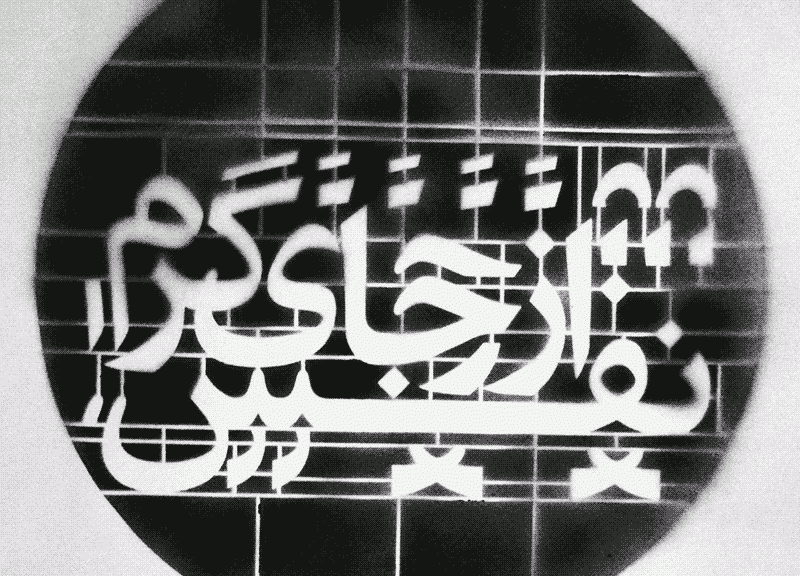
نَفَس از جایِ گرم در کروکس هاپوکس – گنت، بلژیک

breath-from-e-warm-locale - Poster designed by Hooman Alizadeh & Amirali Ghasemi
Poster designed by Hooman Aliz­a­deh & Amir­ali Ghasemi

نَفَس از جایِ گرم فیلم و ویدیو و … از ایران پروژه‌های پارکینگالری – تهران و پروژه‌های آسایشگاه – کرمان گالری کروکس هاپوکس – گنت، بلژیک به انتخاب نیما بهره‌مند و امیرعلی قاسمی

 با آثاری از
هومن علیزاده | ‌ شیلان برهانی | شهرام انتخابی | نگار فرجیانی  | آناهیتا حکمت  | آرش خاکپور و آرش رادکیا  | آرش خسرونژاد  | سامان خسروی | طلا مدنی  | آرش مبرز و رامین رحیمی  | امیرعلی محبی‌نژاد  | پویا رضی  | تارا نجد احمدی  | جعفر صادقی  | سونا صفایی سوره  |زرین صلاحی  | بهار صمدی

Breath from a warm locale at Croxhapox, Gent

breath-from-e-warm-locale - Poster designed by Hooman Alizadeh & Amirali Ghasemi
Poster designed by Hooman Aliz­a­deh & Amir­ali Ghasemi

Breath from a warm loc­ale
Film, video art and more
23 March – 20 April 2014
Open­ing on Sat­urday march 22d at 18:00

Parkin­gal­lery pro­jects –Tehran in col­lab­or­a­tion with Asayeshgah pro­jects – Ker­man
Cur­at­ors Nima Bahrehmand ( Ker­man) & Amir­ali Ghasemi (Tehran)

Hou­man Aliz­a­deh | Shil­an Borhani |Shahram Entekh­abi | Neg­ar Faraji­ani |Anahita Hek­mat |Arash Khakpour/Arash Radkia | Arash khos­rone­jad | Saman Khos­ravi |  Tala Madani |Arash Mobarrez/Ramin Rahimi | Amir­ali Mohebbine­jad | Pouya Razi |Tara Najd Ahmadi |Jafar Sade­ghi |Sona Safaei Sooreh | Zar­in Salahi | Bahar Samadi

Crox­hapox, Gent

A Per­sian expres­sion “Nafas az Jay-e garm” lit­er­ally trans­lates “Breath from a warm loc­ale” in Eng­lish and often used to describe where one is dis­tanced from the real­ity because of his/her fin­an­cial and/or polit­ic­al stand­point. In most cases these indi­vidu­als do not encounter the com­mon day-to-day exper­i­ences of a soci­ety simply because they have lived overseas.

Often this expres­sion has been used as an irony. Dehk­hoda writes in “Amsal o Hekam”, his encyc­lo­pe­dia of Ira­ni­an Pro­verbs: it can be pretty much unreal­ist­ic to accept an individual’s opin­ion that takes his/her breath in a warm loc­ale. Warm loc­ale here refers to a com­fort­able place.

We bor­rowed the expres­sion to address a situ­ation where art­works with no ref­er­ences to exot­ic ele­ments, polit­ic­al issues, and etc. – are less likely to be selec­ted for exhib­i­tions of con­tem­por­ary Iran. Des­pite their qual­it­ies and sig­ni­fic­ance, they have been con­stantly filtered out and under­mined for not being news­worthy or dir­ect enough to be con­sumed togeth­er with an ideal news hour spent over din­ner. With this expres­sion we also refer to EU decision-makers in polit­ics – spe­cific­ally in rela­tion to Iran – as spec­tat­ors who “breath from a warm locale”.

Everyday Chamber of Miracles at Parkingallery projects, Tehran

A one day event in Parkin­gal­lery
Every­day Cham­ber of Mir­acles | اطاق معجزات هرروزه | All­tag­skam­mer is a col­lect­ive efforts between artists based in Tehran and Ber­lin and is a res­ult of 4 year col­lab­or­a­tion between Parkin­gal­lery Pro­jects – Tehran and Villa Kur­iosum .
alltagskammer01 alltagskammer02 alltagskammer03 alltagskammer04 alltagskammer05

“EXCERPTS OF NOW”
Since the late Renais­sance “Wun­der­kam­mer” means a col­lec­tion of curi­os­it­ies rep­res­ent­ing the world:
Stuffed anim­als, weird weapons, exot­ic souven­irs and unique early auto-mats were presen­ted in one room for deep aston­ish­ment of all vis­it­ors. – “Things nev­er seen before” became the con­tem­por­ary replace­ment of the clas­sic­al mir­acle.
– Dif­fer­ent to those (Art)Chambers of a few aris­to­crats or extremely rich people the col­lec­tion of our asso­ci­ation fol­lows a dif­fer­ent line: We believe that the “real” mir­acle only can be found in every­day life! (That’s why we call it”Alltagskammer”)
– As ambas­sad­ors of”Alltagskammer” we want to present you a “trav­el­ers – col­lec­tion” of curi­os­it­ies from our house in Ber­lin – Lichten­berg and hope you will enjoy the install­a­tion!
( “… ’cause noth­ing can be more exot­ic than reality!” )

Friederike Berat
Suz­anne Save­lief
Todosch Schlopsnies
Maryam oskouei
Amir­ali Ghasemi

and spe­cial install­a­tion from Parkin­gal­lery col­lec­tion with works by
Monir (Shahroudi) Far­man­far­mai­an
Ferey­doun Ave
Mojtaba Amini
Shir­in Sabahi
Hos­sein Zen­der­oudi
Fate­meh Naraghi
Mat­teo Roves­ci­ato
and Late John Matevousian

Music per­form­ance by
Arash Lot­fi
Mar­tin Shamoon­pour
Reza Kolagh­ani
Todosch Schlopsnies
and guests…

The Wandering Islands at Aban Art Gallery, Mashhad

The Wan­der­ing Islands – Aban Gal­lery, Mash­had – Poster designed by Iman Raad

Parkin­gal­lery pro­jects and Lim­ited Access Fest­iv­al present in col­lab­or­a­tion with Aban Art gal­lery Mash­had:
“The wan­der­ing islands” video pro­gram from Lim­ited Access Four, will be screened at Aban Gal­lery in Mash­had from Jan 24-28th, 2014. “The wan­der­ing islands” is cur­ated by Amir­ali Ghasemi from Parkin­gal­lery Video Archive,
and kindly organ­ized by Saeed Mazin­ani
Videos and short exper­i­ment­al films by: Arash Khos­rone­jad | Allahyar Najafi | Minoo Iran­pour | Bahar Samadi | Amir­ali Mohebbine­jad | Paran Pour | Aza­deh Nil­chi­ani | Ali­yar Rasti | Maryam Espandi | Mazi­yar Pahl­evan | Neda Moradi | Shir­in Mohammad | Nil­ou­far Zolf­aghari | Nas­srin Nas­s­er | Anita Esfan­di­ari | Sona Safaei | Amir Bastan | Sas­an Abri | Mani Nil­chi­ani | Ram­bod Vala and Neda Raza­vi­pour | Icy & Sot | Sina Hagh­ani | Ram­in Rahimi


“The Wan­der­ing Island” was first intro­duced as part of the exhib­i­tion LIMITED ACCESS II at Azad Gallery
– Tehran in 2009. The selec­tion aimed to pro­pose a pan­or­ama of exper­i­ment­al video works while stay­ing away from a them­at­ic approach or for­cing a narrative.The cur­rent edi­tion of THE WANDERING ISLAND(S) is designed to act as an open plat­form for vari­ous dis­cip­lines and voices with­in the Ira­ni­an new media sphere, unit­ing people and their work in spite of the geo­graph­ic­al dis­tance between them and their vary­ing fields of work. The pro­gram which has been shown at Aaran Art Gal­lery Tehran,during LIMITED ACCESS FOUR  in Jan 2013, puts togeth­er works in a float­ing con­stel­la­tion, gathered to expand the bor­ders of what we know as Video Art. These WANDERING ISLAND(S) are neither attached nor stand­ing apart from each oth­er, yet com­mu­nic­at­ing through many invis­ible inter­con­nect­ing paths.
Aban Art Gal­lery: No. 7, ninth Vakil­abad St. Mashhad
Open­ing Jan 24th, 2014 – 17:00-20:00
Daily vis­it­ing hours: 10:00 – 12:00 & 17:00-20:00
Gal­lery is open on Fridays.
Con­tact: abanartgallery@gmail.com


Independent art space for new media | Tehran | Iran