Introducing New Media Society

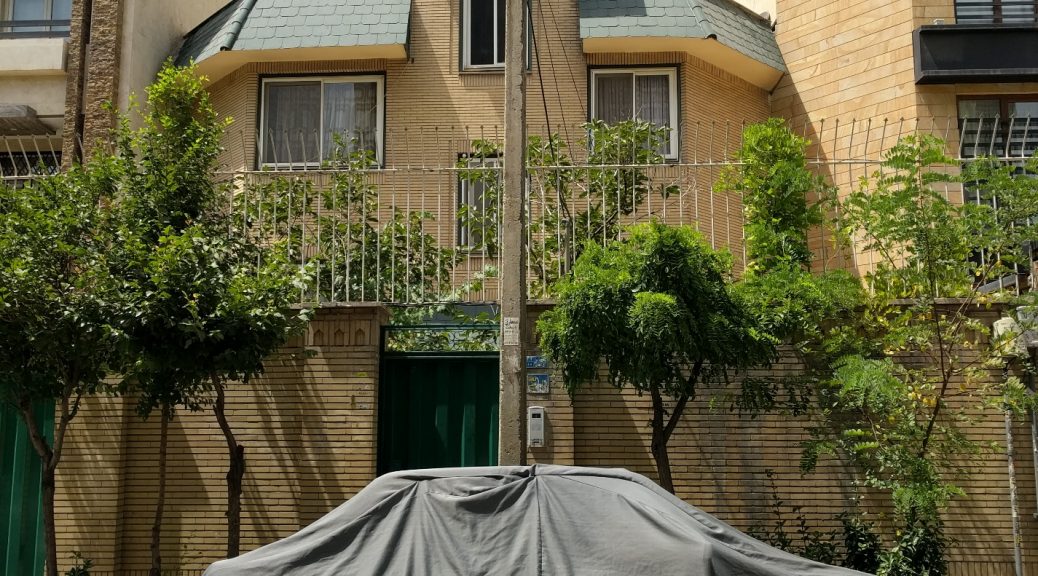
Parkin­gal­lery Pro­jects had star­ted its activ­it­ies in Sum­mer 1998 in a gar­age space in North-West of Tehran, it has estab­lished Park­ing Video Lib­rary in 2003-2004, as a research plat­form for Video, Mov­ing images and exper­i­ment­al film. Back in 2007, after an exchange pro­ject with Ber­lin,  3 artists who were based in Tehran at a time,  gathered in a Cafe to dis­cuss the neces­sity of a col­lect­ive ded­ic­ated to New Media Arts in Tehran, Trans­la­tion, Archiv­ing, and Edu­ca­tion were on the top of their list of ideas. Although that didn’t lead any­where con­crete at the time. Those con­tinu­ous con­ver­sa­tions paved the way for what is now called “New Media Soci­ety”.  Estab­lished in 2014, the young ini­ti­at­ive didn’t have a per­man­ent space for a year and after work­ing in a ren­ted tem­por­ary office in down­town Tehran for a couple of months, finally, they landed in a small house in Karimkhan Ave, which later became what is now known as New Media Pro­jects, a lib­rary,  an Archive, and a pro­ject space. in the fol­low­ing years, star­ted to host its own events and soon oth­er col­lect­ives joined to hold their pro­grams at the space, an ana­log photo lab was added to space and a cur­ated res­id­ency program.


Limited Access 6: Sound at Tehran Museum of Contemporary arts | Feb 2016

دسترسی محدود صدا در موزه‌ی هنرهای معاصر تهران
جامعه‌ی تجربی نیومدیا و کانون موسیقی معاصر با همکاری موزه‌ی هنرهای معاصر تهران برگزار می کنند:
دسترسی محدود صدا، مجموعه‌ی اجراهای صدا به صورت تبادل هنرمندان ایرانی و بین المللی است. در موزه‌ی هنرهای معاصر و با توجه به معماری ویژه اش، دو اجرای صدا طراحی شده است که هنرمندان آلمانی، لهستانی و ایرانی را گردهم می‌آورد. در اجرای نخست در روز پنجشنبه، بیست ونهم بهمن 94، دوئت “معتبر- روسلر” و در اجرای دوم در اول اسفند 94 دوئت “اسپكترو” سرسرای موزه را سرشار از شنیدن خواهند کرد.
دوئت “معتبر- روسلر” ، مستقر در شهر لاهه‌ی هلند با ترکیب المان‌هایی از جهان بیرون و منابع صوتی انتزاعی که به صورت مصنوعی تولید شده‌اند، به تولید صداهایی پرداخته‌اند که به سختی قابل تعریف است.
قطعه‌ها در داخل یک قالب اکیدا ثابت، بداهه‌نوازی می‌شوند و محتوی آنها از سه عنصر اصلی تشکیل یافته است: گیتار کلاسیک (که لئونی روزلر آنرا می نوازد)، اجرای الکترونیک صداهای گلیچ (توسط سهراب معتبر) و مناظرصوتی‌ تهیه‌شده از طریق ضبط‌ میدانی (توسط روزلر). این گروه دونفره به تازگی آثار خود را در کشور هلند و همچنین در شهر برلین به اجرا در آورده‌اند و مقصد بعدی آنها تهران خواهد بود.
دوئت اسپكترو از سال ١٣٩٢بر اجراهاى زنده‌ی الكترونيك و الكتروآكوستيك تجربى تمرکز دارد كه گاهى با فرم هاى سازه‌اى پيچيده و باقى اوقات بر پايه‌ی بداهه نوازى‌هاى آزاد دنبال شده اند. موزيك دوئت اسپكترو همواره بر پديده‌هاى سايكوآكوستيك و ادراك شنيدارى تمركز داشته است. آنها هميشه مخاطب را به دنياى ناشناخته‌اى از صداهايى كه براى هر پروژه خلق مى‌كنند، فرا مى‌خوانند.

«دوئت معتبر- روزلر» پنجشنبه، بیست ونهم بهمن ،94 ساعت پنج عصر
«دوئت اسپكترو» شنبه، اول اسفند 94، ساعت پنج عصر
موزه‌ی هنرهای معاصر تهران، خیابان کارگر بالاتر از پارک لاله
علاقمندان جهت ورود می بایست بلیت ورودی موزه هنرهای معاصر تهران را تهیه نمایند.

Wake-up Stories, Summer Residency at Club Solo, Breda

‘Wake-up Stories’ Parkingallery Tehran

Hotel Solo
6 till 28 August 2016

Through­out August, Club Solo will host the inde­pend­ent artists’ ini­ti­at­ive Parkin­gal­lery from Tehran, tak­ing on the name of Hotel Solo to host artists from abroad. This marks the second time a for­eign artists’ ini­ti­at­ive has been a part of the Hotel Solo programme.

Hotel Solo is Club Solo’s way of reach­ing out to inter­na­tion­al artists’ ini­ti­at­ives and provid­ing them with the oppor­tun­ity to present them­selves out­side of their own loc­a­tion. They do so accord­ing to their own insight.

Parkin­gal­lery has presen­ted young artists from Tehran since 1998. One com­pon­ent of its pro­gram­ming is the Ira­ni­an New Media Soci­ety (INMS), a plat­form for study­ing and show­ing new media art in Iran. Parkin­gal­lery will start a new ini­ti­at­ive in Breda: ‘The Nomad School for New Media, Sound and Per­form­ance’. Nine young Ira­ni­an artists will be present­ing work­shops, events and pub­lic pro­jects at Club Solo, under the monik­er of ‘Wake-up Stories’.

Wake-up Stor­ies

– When did you wake up?
– I don’t know, a while ago…
– Tell me about it?
– Why? do you wanna ask if I had a dream?
– No, tell me a story, a wake-up story!

Storytelling is an essen­tial part of Ira­ni­an cul­ture, and an import­ant aspect of the par­ti­cip­at­ing artists’ projects.

‘Wake-up Stor­ies’ will play host to a num­ber of meet­ings and exchanges centred around the notion of awaken­ing and the trans­ition from sleep­ing to wak­ing. How does storytelling play a role in this? How can stor­ies feed the ima­gin­a­tion and bring about con­nec­tions and changes?

The artists from Iran will be work­ing togeth­er with Ira­ni­an artists liv­ing and work­ing in Europe and guest lec­tur­ers from the fields of visu­al art, per­form­ance, film, audi­ovisu­al media, archi­tec­ture, pho­to­graphy, and cook­ing., Parkin­gal­lery ini­ti­at­or and cur­at­or Amir­ali Ghasemi will act as the cur­at­or of ‘Wake-up Stories’.

Artists (Iran)
Sara Saniee (Teher­an, 1977), Amir­ali Ghasemi (Teher­an, 1980), Raha Faridi (Teher­an, 1980), Allahyar Najafi (Iran, 1980), Nas­im Dav­ari (Teher­an, 1981), Shahrz­ad Maleki­an (Teher­an 1981), Maede Jenab (Teher­an, 1985), Saje­deh Elhami (Mashad, 1988)

Guests (Neder­land, Duits­land en Bel­gië)
Nazgol Emami (Teher­an 1978, woont en werkt in Keu­len), Sohrab Motabar en Leonie Roessler (Teher­an, 1984 en Duits­land, won­en en werken in Den Haag), Erfan Abdi (Teher­an, 1983, woont en werkt in Den Haag), Mah­dieh Fahimi (1988, woont en werkt in Gent), Setareh Fatehi Irani (woont en werkt in Ams­ter­dam), Atousa Bandeh (Teher­an, 1968, woont en werkt in Ams­ter­dam), Pendar Nabi­pour (woont en werkt in Rotterdam)

PROGRAMME AND OPENING HOURS (6-28 August)
You can vis­it Club Solo from Wed­nes­day till Sunday from 11 AM til 5 PM. Besides these reg­u­lar open­ing hours, there are events plannend every week which you can find on our Web­site and Face­book page.

Pro­gramme week 31 (week 1, 1 – 7 augus­tus)
Pro­gramme week 32 (week 2, 8-14 augus­tus)
Pro­gramme week 33 (week 3, 15-21 augus­tus)
Pro­gramme week 34 (week 4, 22-28 augustus)

New Photographs | Mohammadreza Mirzaei | No. 6 Gallery

This Fri­day No. 6 Gal­lery will host “New Pho­to­graphs” the latest Pho­to­graphy exhib­i­tion by Moham­mad­reza Mirz­a­ei.
Moham­mad­reza Mirz­a­ei (born 1986) is an Ira­ni­an pho­to­graph­er. He atten­ded IRIB Art School, in Tehran to study graph­ic design, when he was 15, but he quickly dis­covered pho­to­graphy and focused his art­works on this medi­um. In 2008, his photo series Rewind won the first prize of the 3rd photo feast of Tehran’s Uni­ver­sity of Art. MIRZAEI has been act­ive as crit­ic and trans­lat­or of pho­to­graph­ic texts for Ira­ni­an media and he was also founder and edit­or of Dide Magazine, an online magazine ded­ic­ated to con­tem­por­ary Ira­ni­an pho­to­graphy. He was also one of the jur­ors at the Inter­na­tion­al Pho­to­book Award 2011. He recently got his degree from the Uni­ver­sity of Pennsylvania.

WE FIND WILDNESS writes about his works :

MOHAMMADREZA MIRZAEI‘s pho­tos are time­less. His artist­ic approach to the medi­um trans­forms real­ity into a theat­er of illu­sion. His sta­ging of the ordin­ary cre­ates a simu­lac­rum, and the neut­ral ele­ments of our daily lives take on new mean­ings. No mat­ter where they are cap­tured, his images are enig­mat­ic doc­u­ments that gradu­ally give rise to a sense of uncertainty.

Open­ing: Fri­day: Fri­day 10th Octo­ber 2014, 4-8 pm
The show con­tin­ues until 20th Octo­ber 2014.
Vis­it­ing Hours: 4-8 pm.
The gal­lery is closed on Thursdays.
Ground Floor, No.2, 20th St., Mirza Shirazi St., Tehran

Alternative Media from Iran At REDCAT

a woman is worth a thou­sand ques­tions.
Altern­at­ive Media from Iran

Mon Oct 27 |8:30 pm|
Tues­day Oct 28 |8:30 pm|

Jack H. Skirball Series
Admis­sion:  $11 [mem­bers $8]

Presen­ted as part of the LA/Islam Arts Ini­ti­at­ive led by the City of Los Angeles Depart­ment of Cul­tur­al Affairs.

The city­wide LA/Islam Art Ini­ti­at­ive­ar­rives at REDCAT with two even­ings of power­ful, eye-open­ing works that decon­struct and recon­tex­tu­al­ize women’s com­plex rela­tion­ship with Islam in Ira­ni­an cul­ture and soci­ety. Run­ning the gamut from exper­i­ment­al film to video and per­form­ance art, from anim­a­tion to doc­u­ment­ary, the fea­tured pro­jects draw spe­cial atten­tion to the ways in which women-and women’s bod­ies-are pos­ited both with­in Islam and at its bor­der, with the codes of sexu­al pro­pri­ety, veil­ing and sep­ar­a­tion func­tion­ing as sig­ni­fi­ers of a con­di­tion fraught with con­tra­dic­tion and hope.

The even­ing of Monday Octo­ber 27 will be devoted to exper­i­ment­al media, with a video-per­form­ance by pho­to­graph­er Haleh Anvari, an install­a­tion and doc­u­ment­a­tion of a pub­lic per­form­ance by multi-media artist Jinoos Tagh­iz­a­deh, an exper­i­ment­al anim­a­tion by Pooya Razi, witty, poignant and visu­ally com­pel­ling vign­ettes by Samira Eskandar­far and Nas­srin Nas­s­er and body art by Nikoo Tarkh­ani. On Tues­day Octo­ber 28, three doc­u­ment­ar­ies focus­ing on the bod­ies of women and their rep­res­ent­a­tion will be shown: two short­er pieces by Samira Eskandar­far and Firouzeh Khoros­vani and Logh­man Khaledi’s award-win­ning Nessa (2011).

In per­son: Haleh Anvari, sched­ule permitting

This pro­gram is also of part of REDCAT’s ongo­ing Jack H. Skirball Series cur­ated by Steve Anker and Bérénice Reynaud.

Launch­ing this fall, the Los Angeles / Islam Arts Ini­ti­at­ive (LA/IAI) brings togeth­er nearly 30 cul­tur­al insti­tu­tions through­out Los Angeles to tell vari­ous stor­ies of tra­di­tion­al and con­tem­por­ary art from mul­tiple Islam­ic regions and their sig­ni­fic­ant glob­al dia­spor­as. LA/IAI is the first-of-its kind, wide-scale city­wide ini­ti­at­ive on Islam­ic arts pro­du­cing and present­ing pro­gram­ming such as art exhib­i­tions, pan­els, dis­cus­sions, and performances.

“Middle East­ern artists do not need her­oes. They are tired of sac­red por­traits and they act­ively tear them down. They des­pise halos of sac­red­ness be it based on reli­gious, his­tor­ic­al or polit­ic­al ideo­lo­gies – even if they are based on tra­di­tion­al or mod­ern artist­ic con­cepts.” – Jinoos Taghizadeh

If there is a thread that runs through [con­tem­por­ary Ira­ni­an video works], it’s their self-con­scious fra­gil­ity as car­ri­ers of mean­ing. They invoke col­lectiv­ity only to under­score its absence, and they hint at a his­tor­ic­al nar­rat­ive only to shrug off any shared ideals of pro­gress. – Bidoun

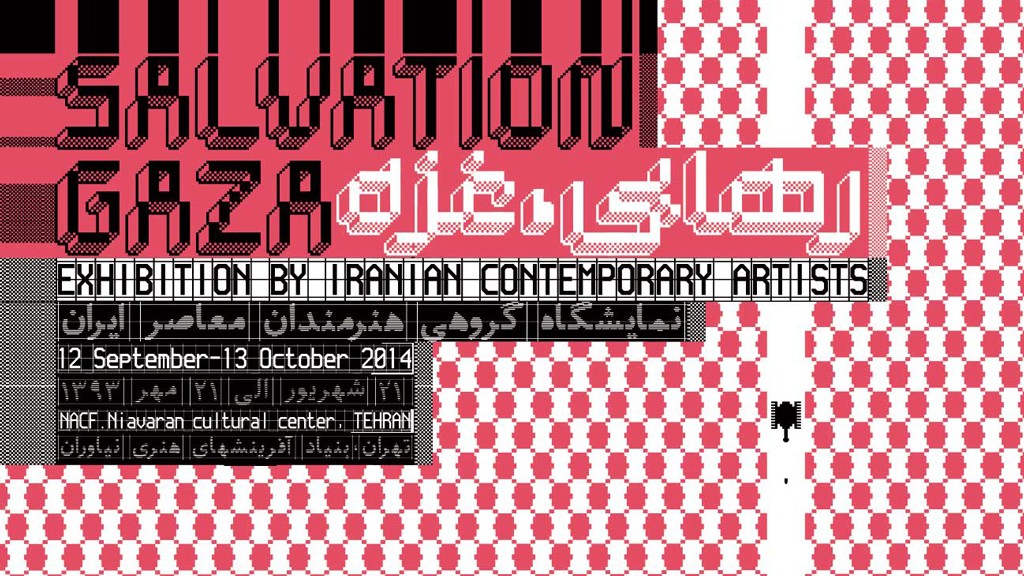
Salvation, GAZA at Niavaran Cultural Center – Tehran

Sal­va­tion, GAZA
Con­tem­por­ary art exhib­i­tion
Cur­ated by Amir Hos­sein Bay­ani, Gohar Dashti and Kor­oush Gol­nari
Niav­aran Cul­tur­al Cen­ter
Septem­ber 12 – Octo­ber 13, 2014

Sal­va­tion, Gaza | poster designed by Ham­id Nikkhah

from the press release …

Although the image of war and tramp of Palestini­an in Gaza scare us, the bomb does not fall on our houses. Who can fully under­stand the ulti­mate misery and suf­fer­ing by look­ing at these photo in a secure and peace­ful situ­ation? The mass media cov­er­age of the Gaza Strip pro­motes pass­ive­ness and pros­tra­tion. A moth­er who has lost her child and has no choice but griev­ing. That is the same por­tray­al of the oppressed’s reac­tion to the tyr­ant and it is the sub­ject of melo­dra­mas which move us. At this point, what might tears and sigs show out­side the geo­graph­ic­al boarder of Palestine? Does it have any effects rather that pub­lic announce­ment of pros­tra­tion and pro­mo­tion of the des­per­ate oppres­sion? The Gaza Exhib­i­tion is the attempt to por­tray this cata­strophe devoid of phil­an­throp­ic feel­ings and excite­ments. Although the pur­pose of this exhib­i­tion is to sup­port Palestini­an People, it endeavors to look at them as strong and act­ive people rather than oppressed people who deserve pity. Hence, I have tried to look for works that do not pro­voke imme­di­ate feel­ings which get sub­sided quickly. Des­pite the fact that this exhib­i­tion does not soothe the pain of Gaza’s dis­aster, it is a move­ment away from com­mon des­per­a­tion and pros­tra­tion of today’s shows. It the approach to say we are not indif­fer­ent and are able to do some­thing except cry­ing.
Gohar Dashti


more info will be pos­ted accordingly!


Cohesive Disorder by PAYAM MOFIDI at Asar Art Gallery, Tehran

PAYAM MOFIDI Cohesive Disorder
12 September -3 October, 2014

Cohesive Disorder
Assar Art Gal­lery presents Cohes­ive Dis­order, an exhib­i­tion of draw­ings and a video install­a­tion by Payam Mofidi.
In his second solo show with the gal­lery, the artist debuts his latest series in his homet­own, Tehran, before present­ing it in FNC (Fest­iv­al du Nou­veau Cinema de Montreal) in Octo­ber 2014. A meta­phor­ic nar­rat­ive on present human con­di­tions viewed from an onto­lo­gic­al and social per­spect­ive, the series com­prises six draw­ings and three video anim­a­tions. Nar­rated in a lyr­ic­al aes­thet­ic lan­guage, all three parts of the video-install­a­tion share a visu­al and epi­stem­o­lo­gic­al expres­sion. The para­dox­ic­al plot – agony and com­fort (Cohes­ive Disorder1), inno­cence and impur­ity (Cohes­ive Dis­order 2) and search­ing while blind­folded (Cohes­ive Dis­order 3) – as well as the loop in which the char­ac­ters seem to be trapped, meta­phor­ic­ally sig­ni­fy the social actu­al­ity of con­tem­por­ary man. The hands as an invis­ible con­trolling power with the nap­kin as a heal­ing icon or an instru­ment­al tool play key motifs in all three parts of the tri­logy, poet­ic­ally refer­ring to the glob­al social order in which the very pro­duc­tion of people, their bod­ies and even modes of sub­jectiv­ity under­go a con­stant mon­it­or­ing and con­trol. Payam Mofidi’s draw­ings and videos are both based on real sceno­graphy, cap­tured in time through either staged pho­to­graphy or video­graphy. Using same tech­nique to trans­fer the pho­tos or his selec­ted video frames onto paper, he artist­ic­ally manip­u­lates his cap­tured images with his sketches and cre­ates his inde­pend­ent draw­ings out of the pho­tos or turn the sketched frames back into video using anim­a­tion techniques.

Payam-Mofidi-2014
From Cohes­ive Dis­order by PAYAM MOFIDI – 2014 Image cour­tesy of Artist and Asar Art Gallery

Born in 1980 in Tehran, Iran, Payam Mofidi has par­ti­cip­ated in many inter­na­tion­al group exhib­i­tions and fest­ivals and received sev­er­al grants. Before mov­ing to Montreal, Canada, where he cur­rently lives and works, he received his Master’s degree in Anim­a­tion from L’Ecole Nationale Supérieure des Arts Décor­at­if in Par­is and his BA in Graph­ic Design from Azad Uni­ver­sity in Tehran.

Click here to see more at Asar Art Gallery’s website

3rd Friday of August – Tehran Gallery Scene

Thanks to  the lower tem­per­at­ure (a bit)  in Tehran, Gal­ler­ies are slowly wak­ing up with solo/debut shows by young artists and of course group shows are trendy too, for this time of the year.

 The Emphasized Six - Merva Gallery -Babak Haj MohammadAli, Ghazaleh Zeinalpour, Nima Maghsoudi
The Emphas­ized Six – Merva Gal­lery -Babak Haj MohammadAli, Ghaza­leh Zein­al­pour, Nima Maghsoudi
Mourn­ing for the dead sis­ter| Ham­id Jani­pour & Roozbeh Roozbe­hani | Mehrva Gal­lery | Aug 24 – Sep 8

Mehrva Gal­lery with new dir­ect­ors Amir­ali Gol­riz & Azin Raad, has been rais­ing a lot of atten­tion lately with their vibrant pro­gram­ming show­ing a great selec­tion of pho­to­graphs and draw­ings.
second half of August will be reserved for pho­to­graph­ers;
With “The Emphas­ized Six” a cur­rent photo install­a­tion (and inter­act­ive ) by Babak Haj MohammadAli, Ghaza­leh Zein­al­pour & Nima Magh­soudi and the upcom­ing show by Ham­id Jani­pour & Roozbeh Roozbe­hani called “Mourn­ing for the dead sis­ter”, and their pho­to­graphs from Istan­bbul, Turkey.

Cradle | Aliyar Rasty | Video still
Cradle | Ali­yar Rasty | Video still

Aaran gal­lery has hos­ted Solo Video exhib­i­tion ofAli­yar Rasti. Titled “PRO.LOGUE”. Open­ing at Aaran Gal­lery on 21st August.

Ques­tion­ing notion of time, Ali­yar Rasti will present six video art works that have been in mak­ing for almost two years. These works are a play between staged and doc­u­ment­ary image-mak­ing; by doc­u­ment­ing real time events in Long Takes and delud­ing the essence of time, he attempts to cre­ate loops. Con­tinu­ous mov­ing images that are trapped in time.

He writes : Occur­rences do not begin but are a con­tinu­ous etern­ity
In pas­sage of time we arrive  to a point of occur­rence and exper­i­ence it. Based on our exper­i­ences we cat­egor­ize occur­rences and cre­ate bor­ders. Bor­ders break down the polar­ity of  Being and cre­dence repe­ti­tion.
check Rasty’s online port­fo­lio, here

Sara Dehghan | Pathological Life
Sara Dehghan | Patho­lo­gic­al Life

Sara Dehghan is show­ing her Paint­ings in a solo Exhib­i­tion at Dastan’s Base­ment : “Patho­lo­gic­al Life” Aug 22 to Sep 1  2014
Click here for more info on the gal­lery website.

Independent art space for new media | Tehran | Iran